-
Journey into the Unconscious: Alex Garland’s “Annihilation”
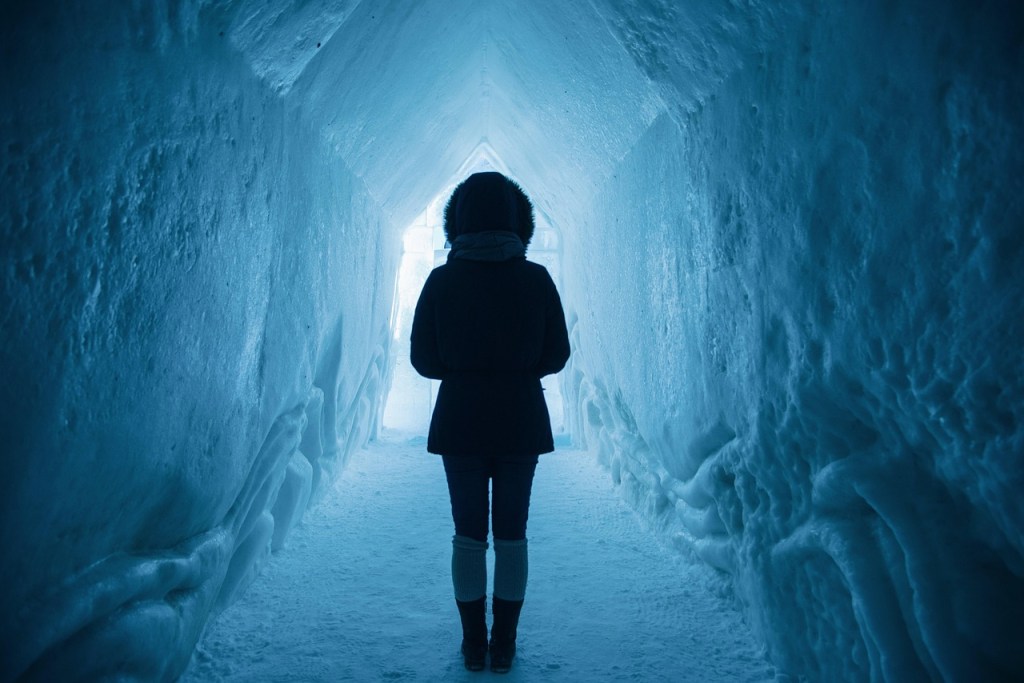
For me, [Annihilation] was a film about the nature of self-destruction… it was about an observation I made, which is that everybody appears to be self-destructive. Some people are very obviously self-destructive because they’re addicted to heroin or alcohol… Other people are very comfortable in their own skin, and they’ve got a fantastic job and…
-
In Andrei Tarkovsky’s Words: Struggle Against Censorship and Tyranny of the Spirit

An artist never works under ideal conditions. If they existed, his work wouldn’t exist, for the artist does not live in a vacuum. Some sort of pressure must exist. The artist exists because the world is not perfect. Art would be useless if the world were perfect, as man wouldn’t look for harmony but would…
-
In Gustave Le Bon’s Words: Cinema and Crowd Psychology

„Crowds being only capable of thinking in images are only to be impressed by images. It is only images that terrify or attract them and become motives of action. For this reason theatrical representations[1], in which the image is shown in its most clearly visible shape, always have an enormous influence on crowds. Bread and…
-
Silence (Martin Scorsese, 2016) “Last Breaths of Christendom In the Land of the Rising Son”

The first European Christian missionaries landing in Japan… found their hosts totally unprepared for the message of salvation they brought. Not indifferent however. On the contrary, their preaching… though it was radically at odds with native beliefs, it was warmly received… Baptismal waters flowed. Japan might have gone Christian. But it was not to be.…
-
Mizoguchi’s “Sansho the Baillif”: Karl Marx in Heian Japan

Kenji Mizoguchi’s Sanshô dayû is based on a folk tale taking place in the Heian period; Chinese and Buddhist influence, as well as the one of the Imperial power were at their summit. Mizoguchi is one of the greatest Japanese directors who created during the period of Japanese cinema which may very well be called its…
-
In Ingmar Bergman’s Words: Music and Film: Image of Poetic and Musical Erotic
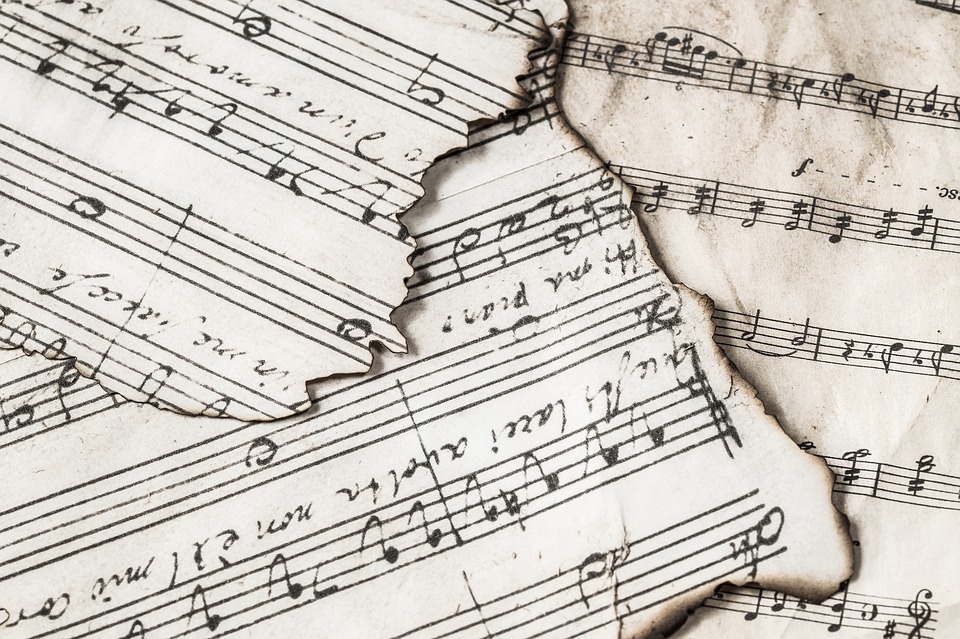
When we experience a film, we consciously prime ourselves for illusion. Putting aside will and intellect, we make way for it in our imagination. The sequence of pictures plays directly on our feelings. Music works in the same fashion; I would say that there is no art form that has so much in common with…
-
The Psychology of Fascism in Bertolucci’s “The Conformist”

Bernardo Bertolucci’s tour de force follows a fascist agent of the secret police whose assignment is to assassinate his former university professor. Set mostly in 1938., it doesn’t deal with broader societal aspects of the rulling regime, it is a study of a personality, Marcello’s, who willingly serves the fascist regime. When one of the…
-
In Pedro Almodóvar’s Words: Cinema as a Religion

The bad education I received at school was rectified when I went to the cinema. My religion became the cinema. Of course one could create one’s own belief system, and anything that helps or supports you in life can be seen as covering the function of religion. In that sense you could consider cinema my…
-
A Veiled Body: The Divided Self in Cronenberg’s “A History of Violence”

We question a country’s self-mythology. Perfect town and perfect family are – like Westerners – part of America’s mythology, involving notions of past innocence and naïveté. But is it possible for innocence to exist while something heinous transpires elsewhere? David Cronenberg In David Cronenberg’s A History of Violence something heinous transpires underneath the presentation of…
-
Celebration of Life’s Evening in Paolo Sorrentino’s “Youth”

To the poet, to the philosopher, to the saint, all things are friendly and sacred, all events profitable, all days holy, all men divine. Ralph Waldo Emerson We might add that this applies to the filmmakers like Paolo Sorrentino as well. Sorrentino portrays the holiness of days passing and the divine in men with particular…
-
Subscribe
Subscribed
Already have a WordPress.com account? Log in now.
 Vigour of Film Lines