-
David Lynch’s “Lost Highway” as the Painting of A Lost Mind
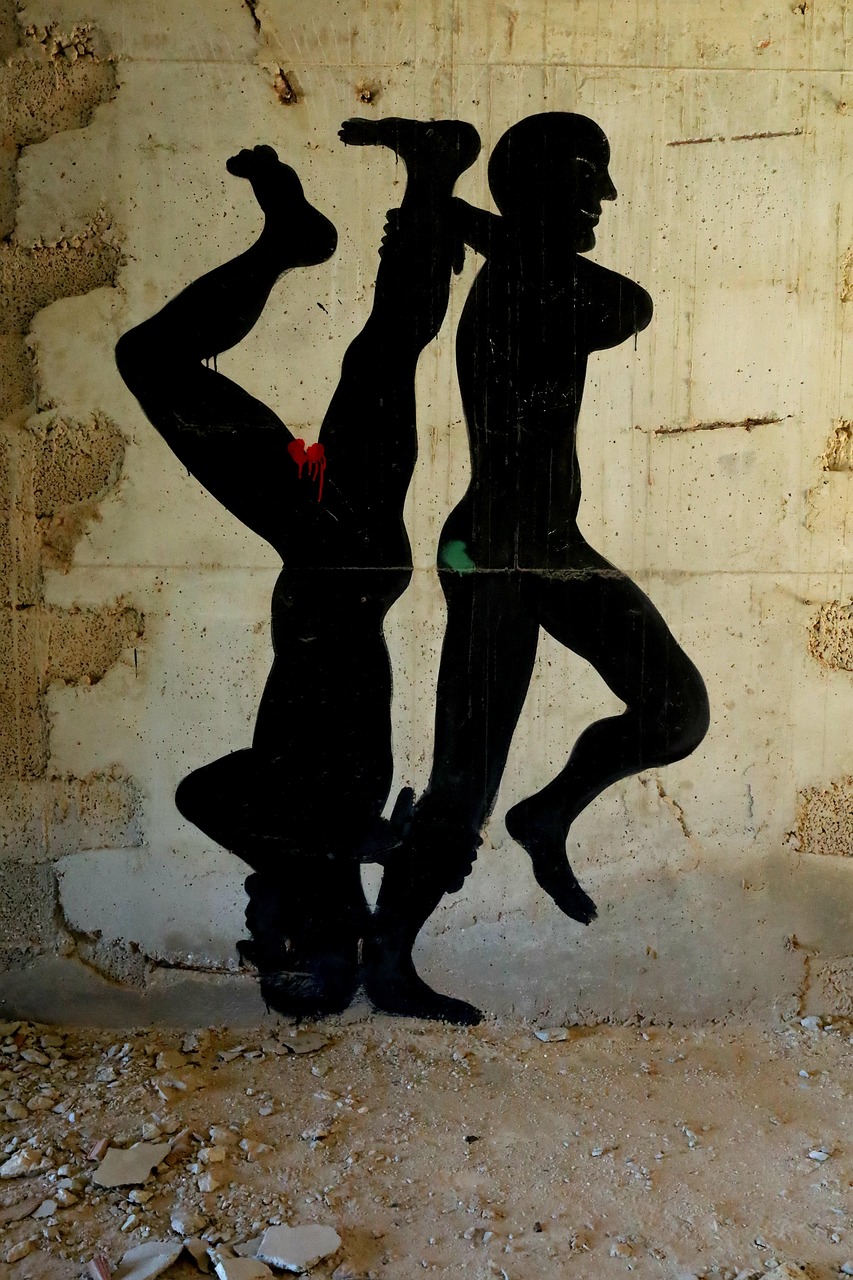
The camera is focused on a highway, its yellow stripes are passing by rapidly, and Bowie’s song I’m Deranged is playing; a highly suggestive introduction into the film. In the opening shot, we see a man smoking a cigarette, by carefully following the narrative throughout the film, we can recollect that he is in death…
-
Céline Sciamma’s Study of Eurydice’s Gaze in “Portrait of a Lady on Fire”
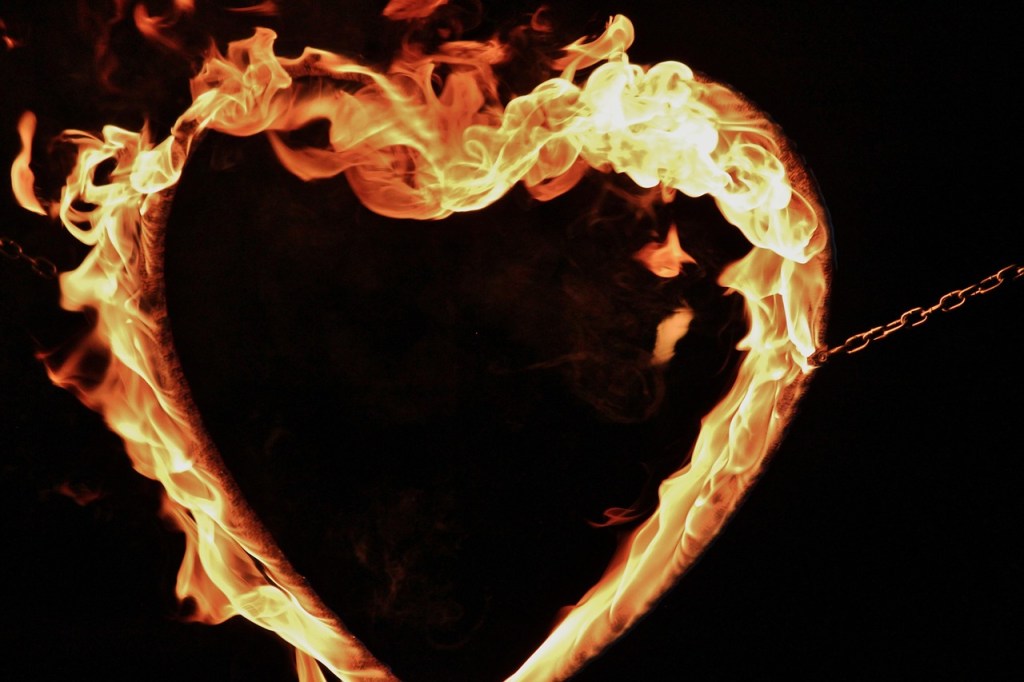
At the beginning of the film, we see a paintress conversing with her students, and in the background, there is a picture they brought, but they should not. The painting portrays a grayish landscape, and a woman with her dress on fire, slowly walking towards it centre, so it seems. The majority of the painting…
-
5 Films Portraying the Fall of 20th-century Empires and Dictatorships

This list deals with two Asian emperors who lost their empire in the course of their lives, the Chinese Emperor Puyi and the Japanese Emperor Hirohito, and two totalitarian leaders Hitler and Stalin. The first lost his totalitarian empire before he died, while the second died of natural causes and his legacy was swiftly replaced,…
-
In Robert Bresson’s Words: Life as a Stage and Life as a Dream

Two types of films: those that employ the resources of the theater (actors, direction etc…) and use the camera in order to reproduce; those that employ the resources of cinematography and use the camera to create. Robert Bresson, Notes on the Cinematographer Robert Bresson, a French director who gave us many masterpieces, Au Hasard Balthazar,…
-
The Nameless God: Ingmar Bergman’s Mythical Tale “The Virgin Spring”
Ingmar Bergman’s The Virgin Spring is an adaptation of a thirteen century Swedish ballad. Christanity became a state religion in Sweden in the twelfth century, while the process of Christianization of Sweden began roughly in the ninth century. This means that the tale we witness on the screen, portrays an age in which Christianity…
-
In Federico Fellini’s Words: Movies = Dreams
Talking about dreams is like talking about movies, since the cinema uses the language of dreams; years can pass in a second, and you can hop from one place to another. It’s a language made of image. And in the real cinema, every object and every light means something, as in a dream. Federico Fellini…
-
Chastity and Carnality Shot in Monochrome: Pawlikowski’s “Ida”

Pawlikowski once said that “Ida doesn’t set out to explain history. That’s not what it’s about. The story is focused on very concrete and complex characters who are full of humanity with all its paradoxes. They’re not pawns used to illustrate some version of history or an ideology.” I find this to be immensely…
-
January – Black and White European Cinema Month

The first article I have published this year on this site was about a contemporary black-and-white Hungarian film Werckmeister Harmonies (2000), with the title “A Mortal God”. In this article, I explored the apocalyptic symbolism behind a decaying whale, and the pessimist philosophy of cosmic proportions presented in the film. Later, another article about a…
-
Everlasting Iniquities of the Fathers: Haneke’s “The White Ribbon”

The White Ribbon is, as it is proclaimed at the beginning of the film: “A German’s Children Story”. It is narrated by the School Teacher who is now in his late years, and has presumably survived two World Wars. He says “I don’t know if the story I am about to tell you is entirely…
-
In Michael Haneke’s Words: Hidden
“I like the multiplicity of books, because each book is different in the mind of each reader. It’s the same with this film – if 300 people are in a cinema watching it, they will all see a different film, so in a way there are thousands of different versions of “Caché (Hidden)”. The point…
-
Subscribe
Subscribed
Already have a WordPress.com account? Log in now.
 Vigour of Film Lines