Tag: Japanese
-
In Stanley Kubrick’s Words: 3 Most Consistent and Original Contemporary Directors
I believe Ingmar Bergman, Vittorio De Sica, and Federico Fellini are the only three filmmakers in the world who are not just artistic opportunists. By this I mean they don’t just sit and wait for a good story to come along and then make it. They have a point of view which is expressed over…
-
Hirokazu Kore-eda’s “Like Father, Like Son”: Nature or Nurture?

Hirokazu Koreeda’s Like Father, Like Son explores the meaning of the proverb in the film’s title and whether it can be the justification and the solution to the tragic choice characters in the film are forced to make. Ryota is a workaholic and a successful businessman, hardly spending time with his family; his wife tells him…
-
Tears at a Noh Play in Yasujirō Ozu’s “Late Spring”

There is a certain sadness that permeates Ozu’s films, of the passing of time and an era; of transience, of a time that will be long gone, but needs to be preserved. This is most particularly true for his so-called “Noriko Trilogy”, which stars Setsuko Hara, Ozu’s muse; Last Spring is a part of the…
-
Fight for the Cursed World in Miyazaki’s “Princess Mononoke”
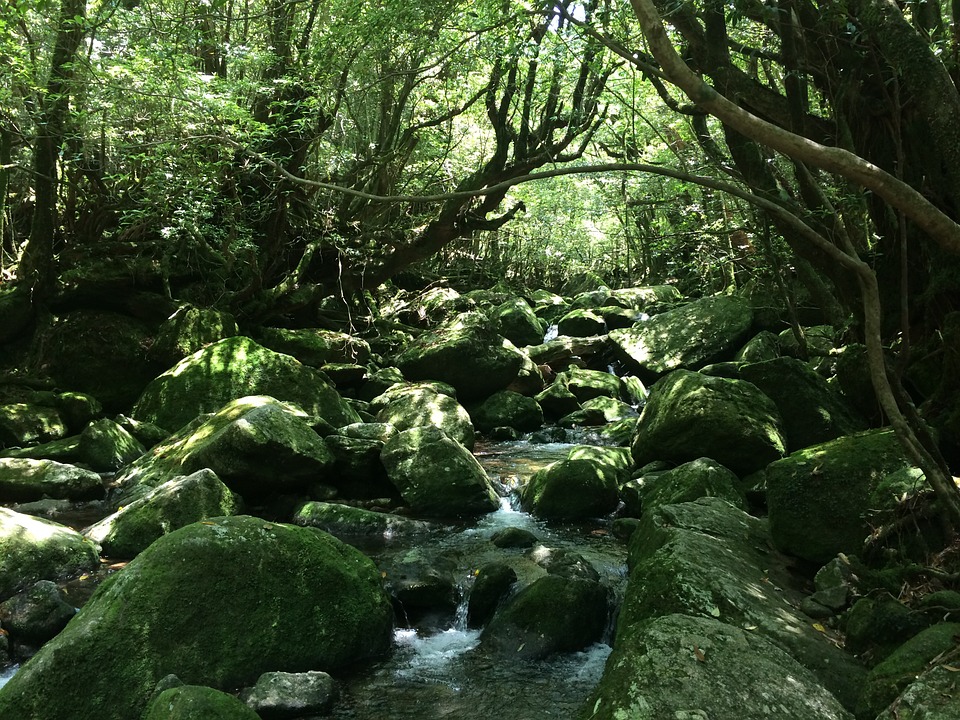
In 1995 Hayao Miyazaki took a group of artists and animators to the ancient forests of Yakushima, which inspired the landscapes in the film. At the beginning, the narrator says: “In ancient times, the land lay covered in forests, where from ages long past, dwelt the spirits of the gods. Back then, man and beast…
-
Four Perspectives Echoing the Truth in Kurosawa’s “Rashōmon”
To claim that Akira Kurosawa is an enigmatic director would be an understatement. One of the greatest filmmakers in cinema history, but also a paradigm (and a synecdoche) of post-war Japan, he combines influences from Western literature (e.g. Dostoyevsky) and philosophy with distinctive Japanese aesthetics and tradition. After the American occupation, Japan found itself flooded…

