Tag: Japanese
-
Fate and Prophecy From Greek Tragedy to “Hunter × Hunter”‘s Yorknew City Arc
In the Hunter × Hunter Yorknew City Arc, members of the extremely dangerous and powerful underground group, the Phantom Troupe, appear. One of the main characters, Kurapika, is driven by a fierce resolve to destroy the Troupe, who call themselves “spiders”, and tear off their limbs. The Troupe massacred his clan and stole their scarlet…
-
“Hunter × Hunter”‘s Heavens Arena as a Metaphor For the Late Capitalist Class System
Heavens Arena is a 251-story, 991-meter building and a mecca for fighters, as explained by the narrator in the Hunter × Hunter 2011 anime series. The rules are rather simple. If you win a fight, you climb 10 stories higher, but if you lose one, you descend 10 stories. Based on the referee’s assessment of…
-
Feminist Appeal in Quentin Tarantino’s “Kill Bill: The Whole Bloody Affair”

Quentin Tarantino’s Kill Bill is made to be seen in one sitting since only thus can the whole bloody affair be fully grasped, as what it truly is. Vol. 1 is highly aestheticized, we see the Bride on a killing spree seeking vengeance, eliminating the Deadly Vipers under Bill’s command. Vol. 2 ties the whole…
-
Animated Films Within Films in Beloved Movie Franchises
1. Kill Bill: Vol. 1, dir. Quentin Tarantino (2003) Besides the nine killed at the wedding, The Bride barely survives the beating and Bill’s shot in the head. She is in a coma for four years and is repeatedly raped in the hospital while unconscious. She awakes, and goes on a revenge streak against the…
-
Yukio Mishima on Visconti’s “The Damned”: Dangerous Decadence

In its Wagnerian manner, its German grotesquerie, its transvestitism, its nervous insanity, its ponderousness, its symphonic sense of psychological danger, its worship of the body, its unceasing dramatic tension, its excesses, its obsession with hurling every single character toward tragedy and death, its ostentation, its sensuality, its love of ritual and ceremony, its intoxication, and…
-
Reunions on Christmas Eve in Satoshi Kon’s “Tokyo Godfathers”

Satoshi Kon’s wonderful anime depicts the Christmas Eve of three homeless bums (self-proclaimed) who listen to a public sermon and watch a play celebrating the birth of Christ, so they can eat afterwards. One of them, Gin, says: “Joy to the world, food has come”. Soon, they find a baby in the trash, and the…
-
5 Japanese Movies Filmed in the Spirit of Junichirō Tanizaki’s Beautiful Essay “In Praise of Shadows”

In a 1951 letter to his editor, while explaining his Silmarillion, J.R.R. Tolkien writes: “As far as all this has symbolical or allegorical significance, Light is such a primeval symbol in the nature of the Universe, that it can hardly be analysed. The Light of Valinor (derived from light before any fall) is the light…
-
Silence (Martin Scorsese, 2016) “The Dark Night of the Soul”
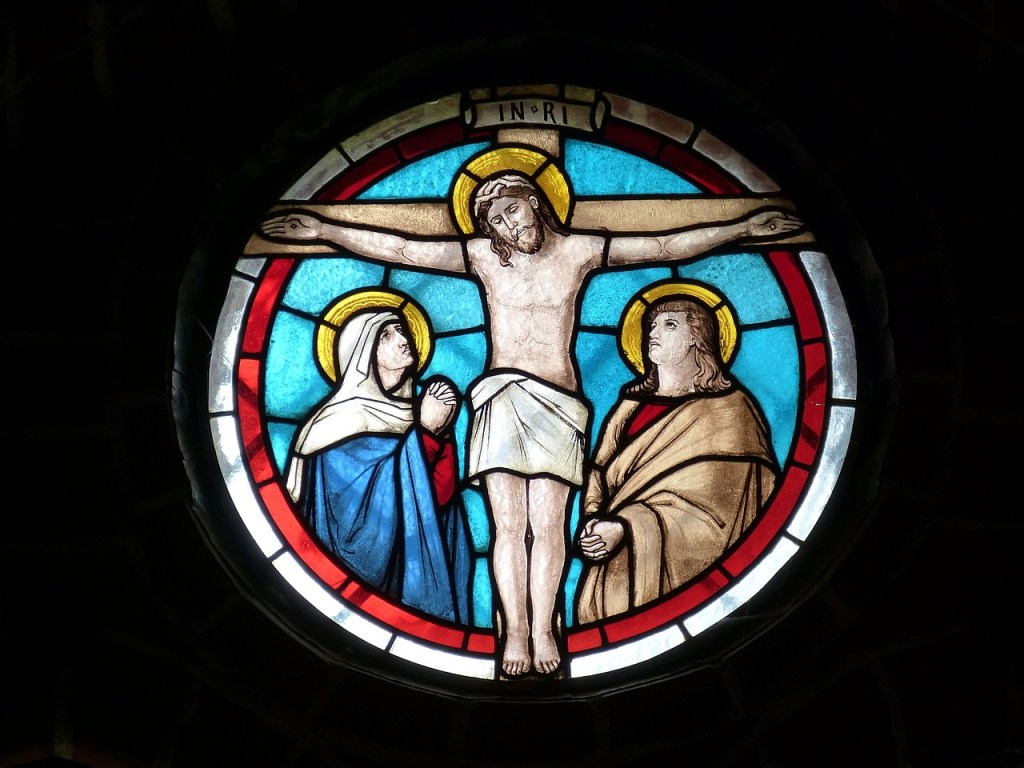
Earlier this year, I wrote an article about this very film, “Last Breaths of Christendom in the Land of the Rising Son”, emphasizing the role of the Japanese state (Tokugawa Shogunate) and the Hobbesian reading which implies that the state proscribes the teachings and religions practiced by the populace; in this case the state religion…
-
Combustible Decadence of Neo-Tokyo in the Flawed Masterpiece of Anime “Akira”

I found Akira, a landmark animated film which introduced the Japanese animated films to the Western audience, to be an eclectic mess. During the first and even the second watching of the film it seemed that way. Later, as I managed to put the pieces together (and some parts of the film are fragments of…
-
In Yasujirô Ozu’s Words: The Change of Seasons

I tried to show the collapse of the Japanese family system through showing children growing up. Yasujirô Ozu Ozu’s post-war work, during the time when he made his most memorable films, is characterized by the same theme which is presented over and over. In his own words, he presents the “collapse of the Japanese family…

