Japan
-

In a 1951 letter to his editor, while explaining his Silmarillion, J.R.R. Tolkien writes: “As far as all this has symbolical or allegorical significance, Light is such a primeval symbol in the nature of the Universe, that it can hardly be analysed. The Light of Valinor (derived from light before any fall) is the light…
-
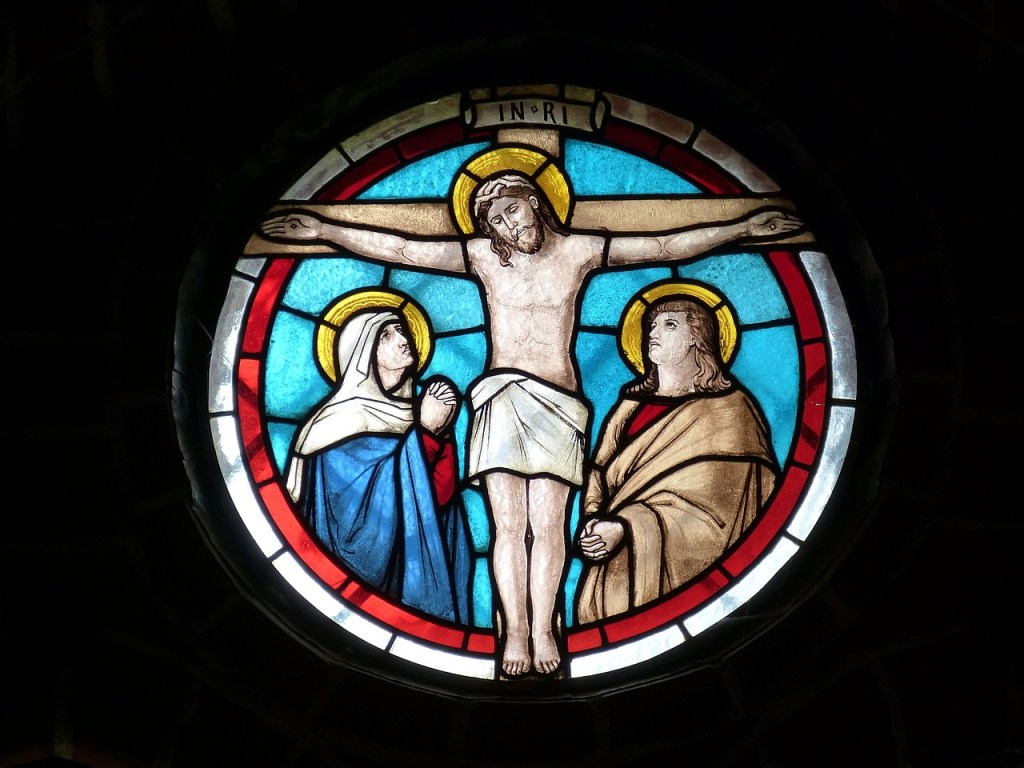
Earlier this year, I wrote an article about this very film, “Last Breaths of Christendom in the Land of the Rising Son”, emphasizing the role of the Japanese state (Tokugawa Shogunate) and the Hobbesian reading which implies that the state proscribes the teachings and religions practiced by the populace; in this case the state religion…
-
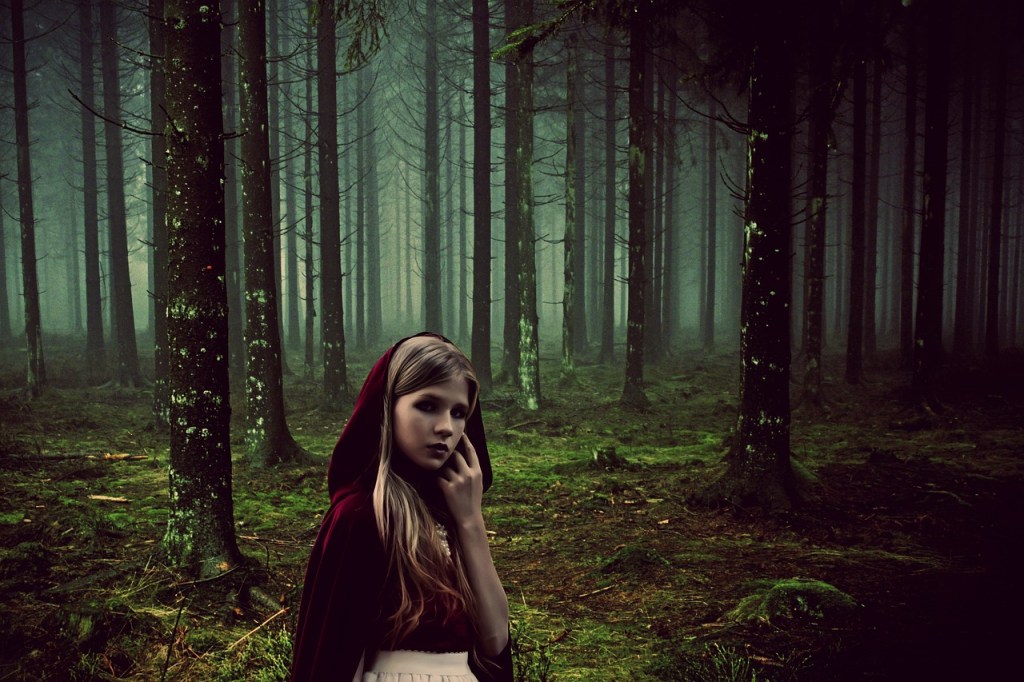
For the second part of the list dealing with the films based on the Brothers Grimm fairy tales, with a focus on the fairy tale Red Riding Hood, I chose a Japanese animated film “Jin-Roh: The Wolf Brigade” and a surrealist Czechoslovakian film “Valerie and Her Week of Wonders”, films which deal with this fairy…
-
I tried to show the collapse of the Japanese family system through showing children growing up. Yasujirô Ozu The younger generation plays baseball, it is influenced by American culture in general, it is imbued with the values of freedom of choice and the pursuit of individual happiness. The older generation, on the other hand, values…
-
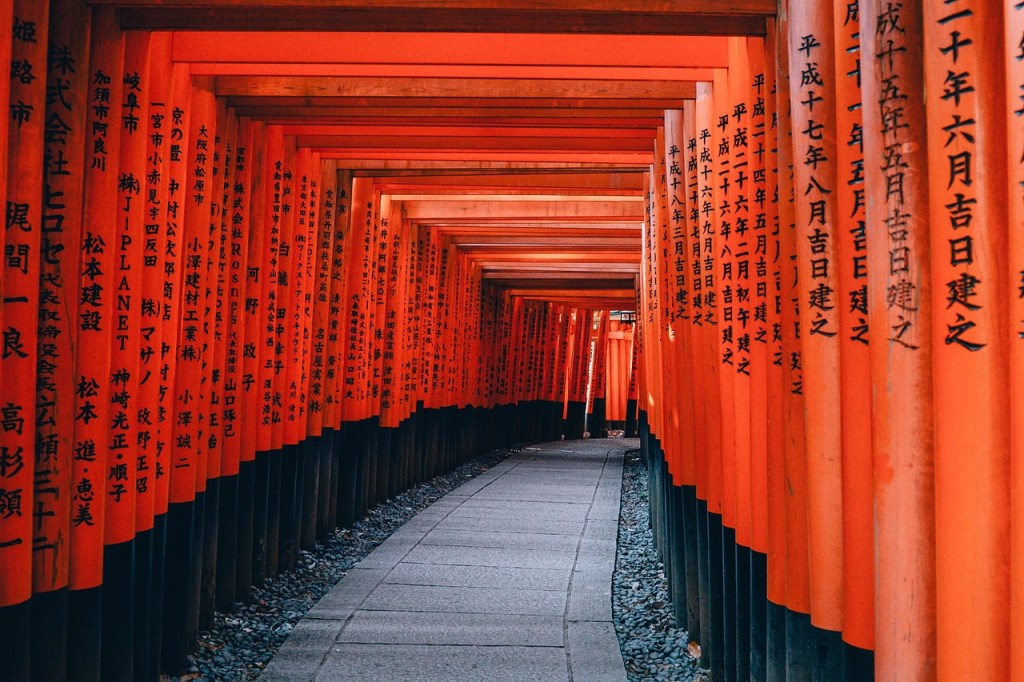
Kenji Mizoguchi’s Sanshô dayû is based on a folk tale taking place in the Heian period; Chinese and Buddhist influence, as well as the one of the Imperial power were at their summit. Mizoguchi is one of the greatest Japanese directors who created during the period of Japanese cinema which may very well be called its…
-

Masaki Kobayashi’s Harakiri belongs to the jidaigeki genre (period piece). It follows the period shortly after the battle at Sekigahara and the establishemnt of the Tokugawa shogunate (1630). The film begins with a short exposition by the official of House Iyi, who talks about the everyday life of the samurai warlord. It is a perspective…

