Buddhism
-

Perhaps I know best why man alone laughs: he alone suffers so deeply that he had to invent laughter. The unhappiest and most melancholy man is, as fitting, the most cheerful. Friedrich Nietzsche, The Will to Power ≈ 91 On German Pessimism This Nietzsche’s thought can be seen as a bridge between his youthful stage…
-
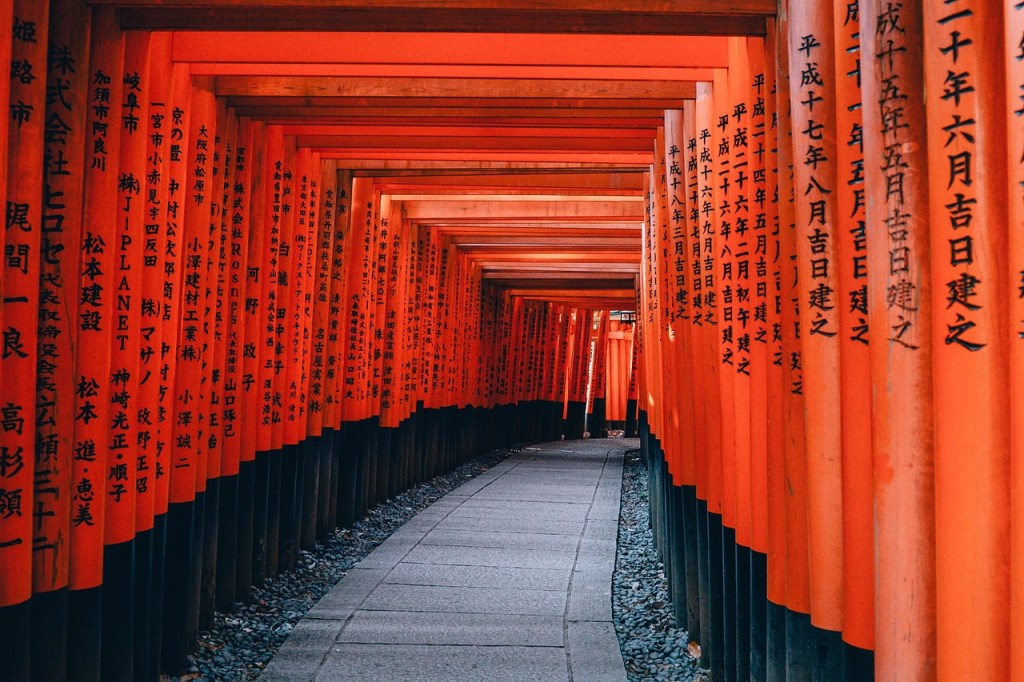
Kenji Mizoguchi’s Sanshô dayû is based on a folk tale taking place in the Heian period; Chinese and Buddhist influence, as well as the one of the Imperial power were at their summit. Mizoguchi is one of the greatest Japanese directors who created during the period of Japanese cinema which may very well be called its…
-

From the very first scene of Nausicaä we can see that we are in a place of magical beauty. The trees, a windmill and the surroundings are coated in what looks like a spider-web or frozen snow; the flakes are falling around a man riding strange creatures, wearing a mask, looking bird-like. The man breaks…
-
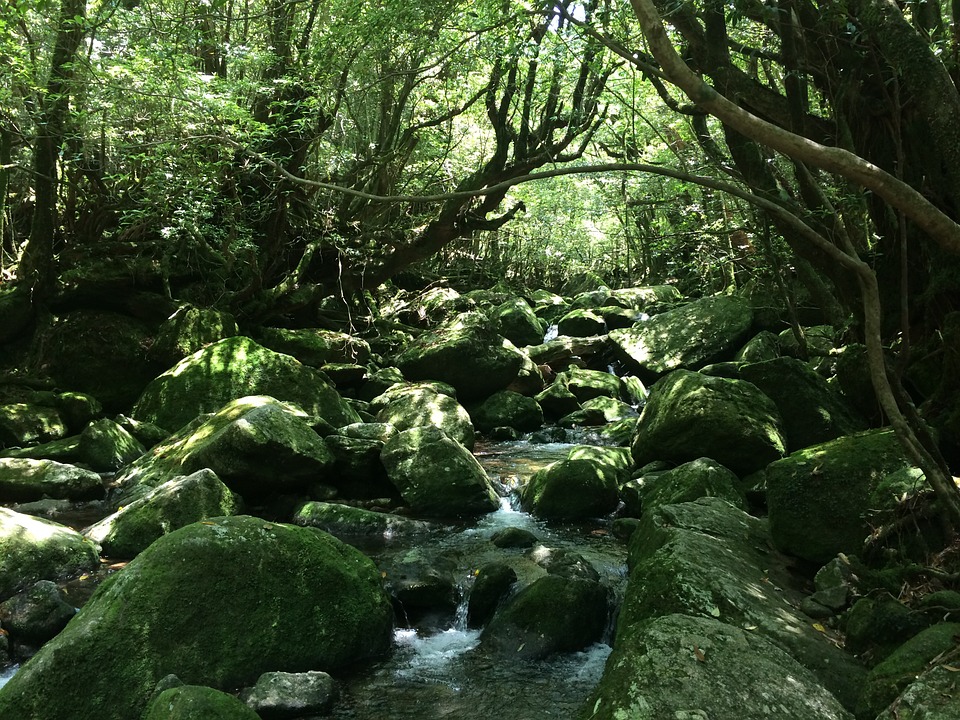
In 1995 Hayao Miyazaki took a group of artists and animators to the ancient forests of Yakushima, which inspired the landscapes in the film. At the beginning, the narrator says: “In ancient times, the land lay covered in forests, where from ages long past, dwelt the spirits of the gods. Back then, man and beast…

