Psychology
-
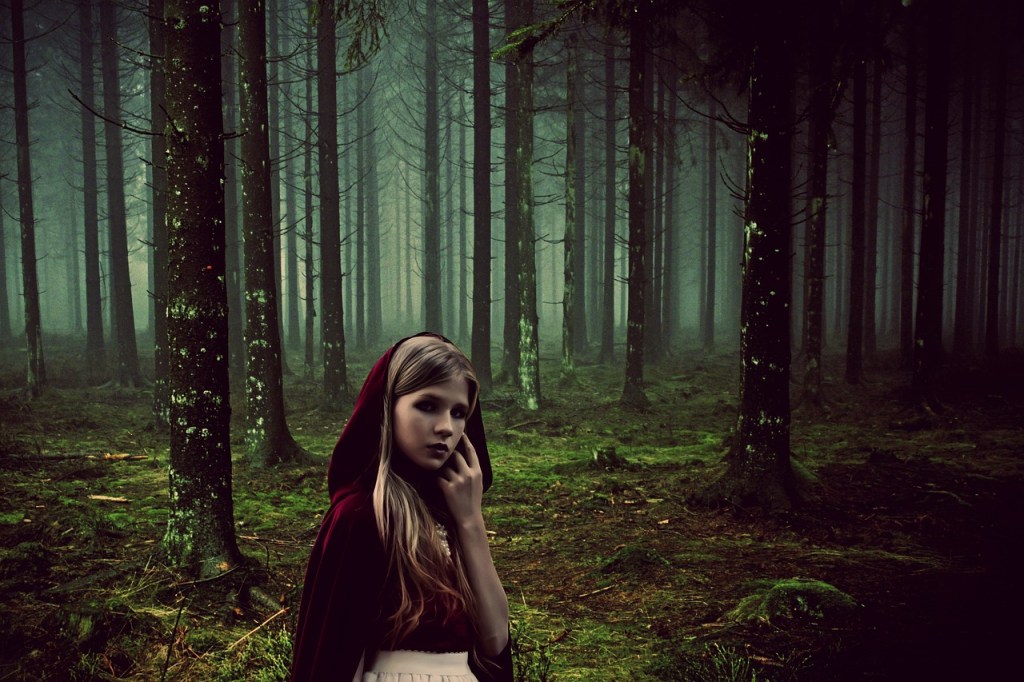
For the second part of the list dealing with the films based on the Brothers Grimm fairy tales, with a focus on the fairy tale Red Riding Hood, I chose a Japanese animated film “Jin-Roh: The Wolf Brigade” and a surrealist Czechoslovakian film “Valerie and Her Week of Wonders”, films which deal with this fairy…
-

Editor’s Note: Since the film is in the cinemas at the moment while I am writing this article, I will not reveal any details about the film’s plot, and I will certainly not write a value judgment of the film. Whether the film is enjoyable or not in the final verdict is a matter of…
-
In the thirteenth chapter of the first epistle to the Corinthians, St Paul says: “For now we see through a glass, darkly; but then face to face: now I know in part; but then I shall know even as I also am known”. In these St Paul’s words, practically the whole film Through the Glass…
-
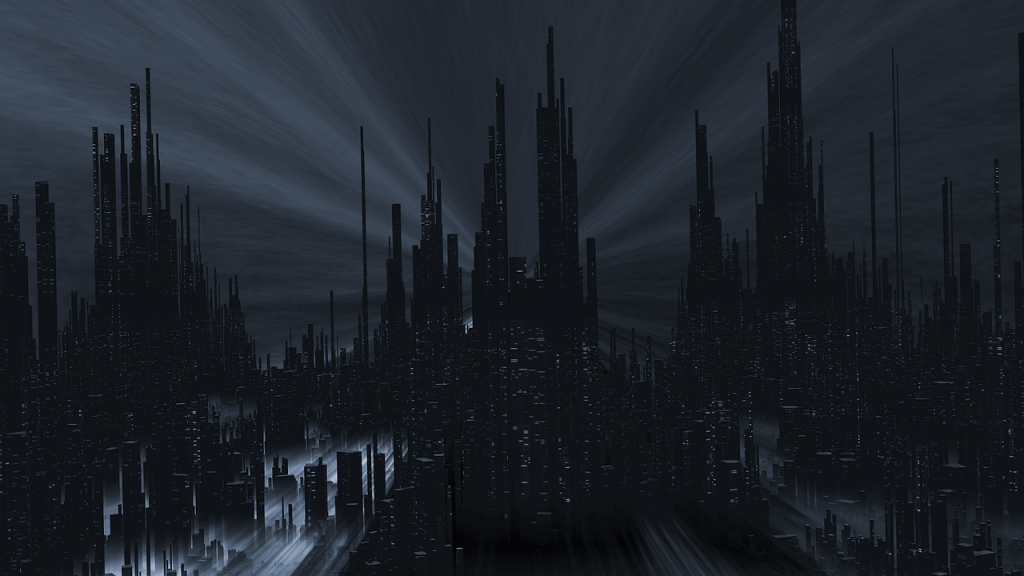
The film is set in a city where there is no sun, it is shrouded in eternal darkness. John Murdoch awakes in a bathtub, disoriented, not knowing his own name, or anything about himself. In other words, he is in the same position as the viewer, darkness (lack of cognition) pervades not only the external,…
-

“In the play of children we seem to arrive at the conclusion that the child repeats even the unpleasant experiences because through his own activity he gains a far more thorough mastery of the strong impression than was possible by mere passive experience. Every fresh repetition seems to strenghten this mastery for which the child…
-

For me, [Annihilation] was a film about the nature of self-destruction… it was about an observation I made, which is that everybody appears to be self-destructive. Some people are very obviously self-destructive because they’re addicted to heroin or alcohol… Other people are very comfortable in their own skin, and they’ve got a fantastic job and…
-

„Crowds being only capable of thinking in images are only to be impressed by images. It is only images that terrify or attract them and become motives of action. For this reason theatrical representations[1], in which the image is shown in its most clearly visible shape, always have an enormous influence on crowds. Bread and…
-

Bernardo Bertolucci’s tour de force follows a fascist agent of the secret police whose assignment is to assassinate his former university professor. Set mostly in 1938., it doesn’t deal with broader societal aspects of the rulling regime, it is a study of a personality, Marcello’s, who willingly serves the fascist regime. When one of the…
-

The bad education I received at school was rectified when I went to the cinema. My religion became the cinema. Of course one could create one’s own belief system, and anything that helps or supports you in life can be seen as covering the function of religion. In that sense you could consider cinema my…
-

And all through the house we hear the hyena’s hymns Nick Cave Lion King opens with a song accompanied by beautiful scenery, showing the animals ranging from ants to elephants living in perfect harmony and joy: But the sun rolling high/through the sapphire sky/keeps great and small on the endless round/It’s the circle of…

