Category: East Asian cinema
-
Fight for the Cursed World in Miyazaki’s “Princess Mononoke”
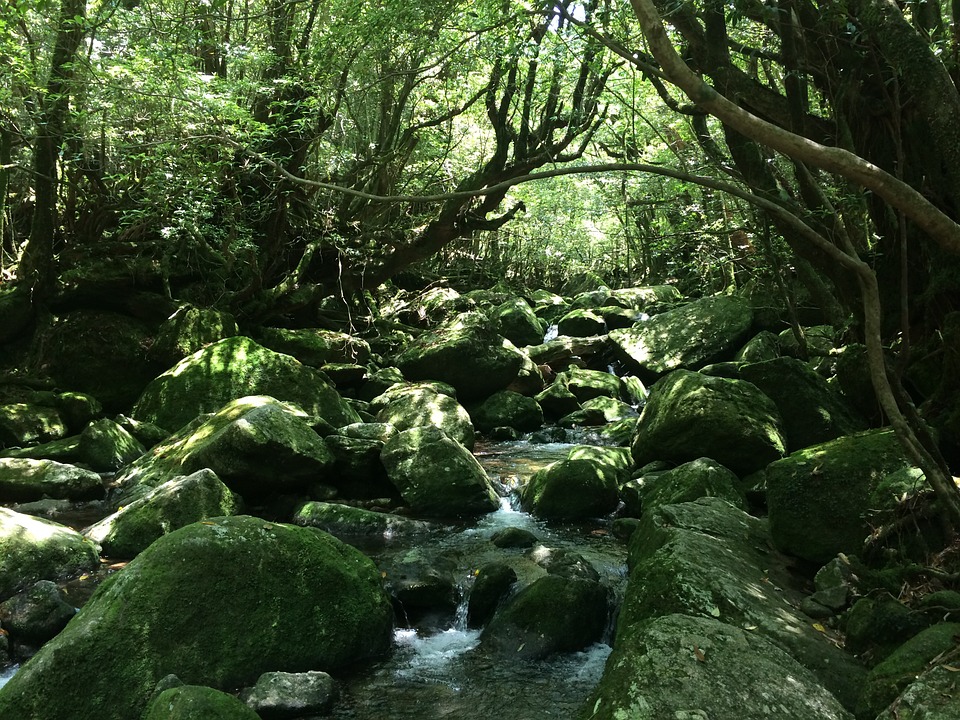
In 1995 Hayao Miyazaki took a group of artists and animators to the ancient forests of Yakushima, which inspired the landscapes in the film. At the beginning, the narrator says: “In ancient times, the land lay covered in forests, where from ages long past, dwelt the spirits of the gods. Back then, man and beast…
-
Four Perspectives Echoing the Truth in Kurosawa’s “Rashōmon”
To claim that Akira Kurosawa is an enigmatic director would be an understatement. One of the greatest filmmakers in cinema history, but also a paradigm (and a synecdoche) of post-war Japan, he combines influences from Western literature (e.g. Dostoyevsky) and philosophy with distinctive Japanese aesthetics and tradition. After the American occupation, Japan found itself flooded…
-
Poetry of Destructive Love in Wong Kar-wai’s “2046”
Wong Kar-wai is not just a movie director, he is a psychologist and a poet dealing with romantic love. His style is so nuanced and brought to perfection that he can be put in the same sentence with the great Italian poet Dante Alighieri; the early poems of the aforementioned poet are not his authentically,…
 Vigour of Film Lines